

Skip to content

MATERIAL CHARACTERIZATION SERVICES

ActiveSite offers an extensive characterization suite to analyze and report on samples within customers timelines. 

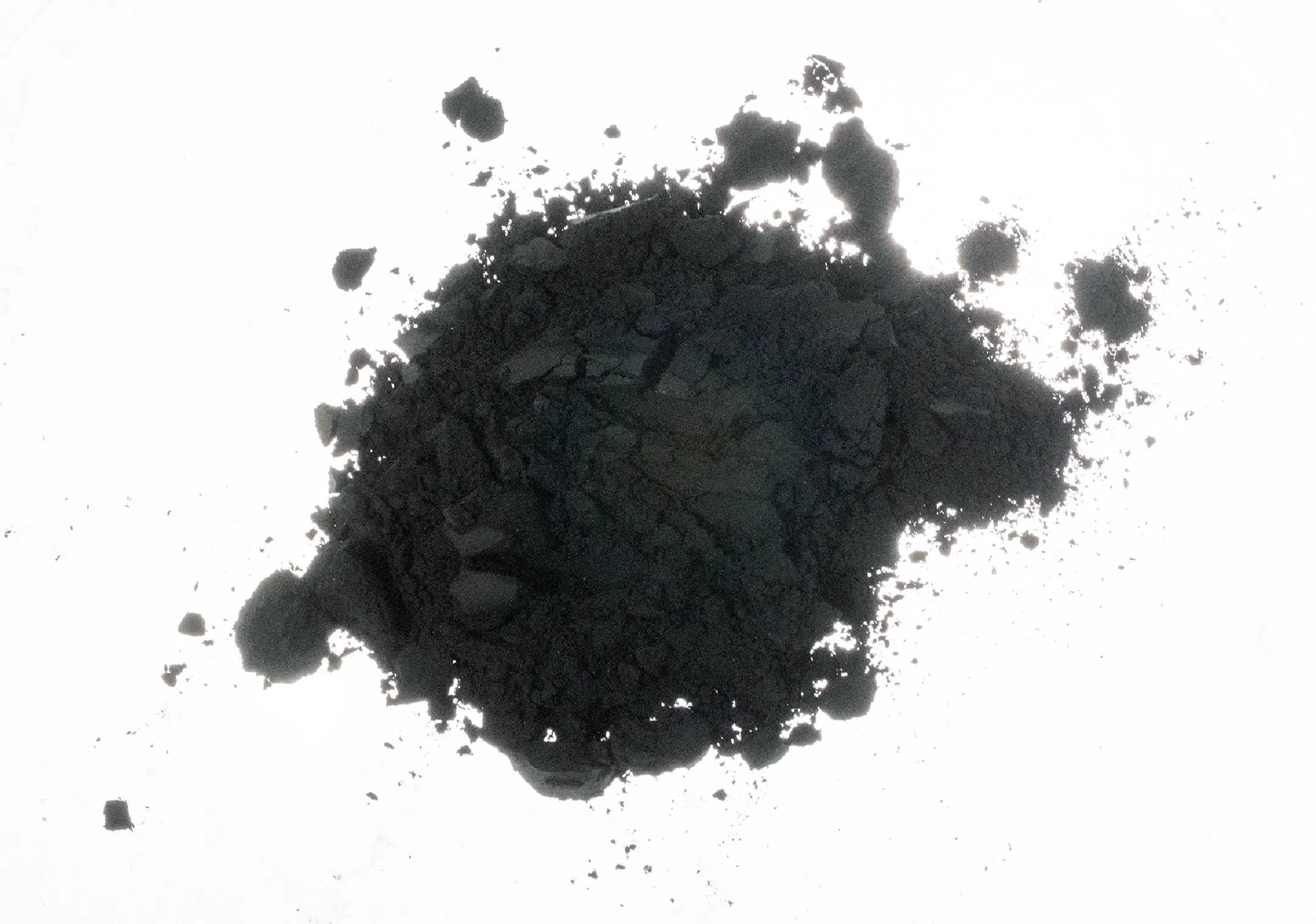
Black catalyst powder used in catalyst development and manufacturing at ActiveSite Technology.

Catalyst Characterization Expertise

An important advantage of working with ActiveSite on catalyst characterization is that the expertise is in catalysis, in addition to the test methods being used.  By consolidating characterization services to one entity, ActiveSite strives to simplify material characterization services for the market. Consult our team for specific characterization services, or for standard characterization please see our pricing sheet (link). Material characterization is a valuable tool not only for product quality control, but also critical when performing deactivation and failure analysis of spent catalysts. ActiveSite works with customers to select the right characterization for their specific problem and to interpret results in comprehensive reports. 

In addition, ActiveSite offers reaction testing services that complement the analytical testing, and consulting services.  

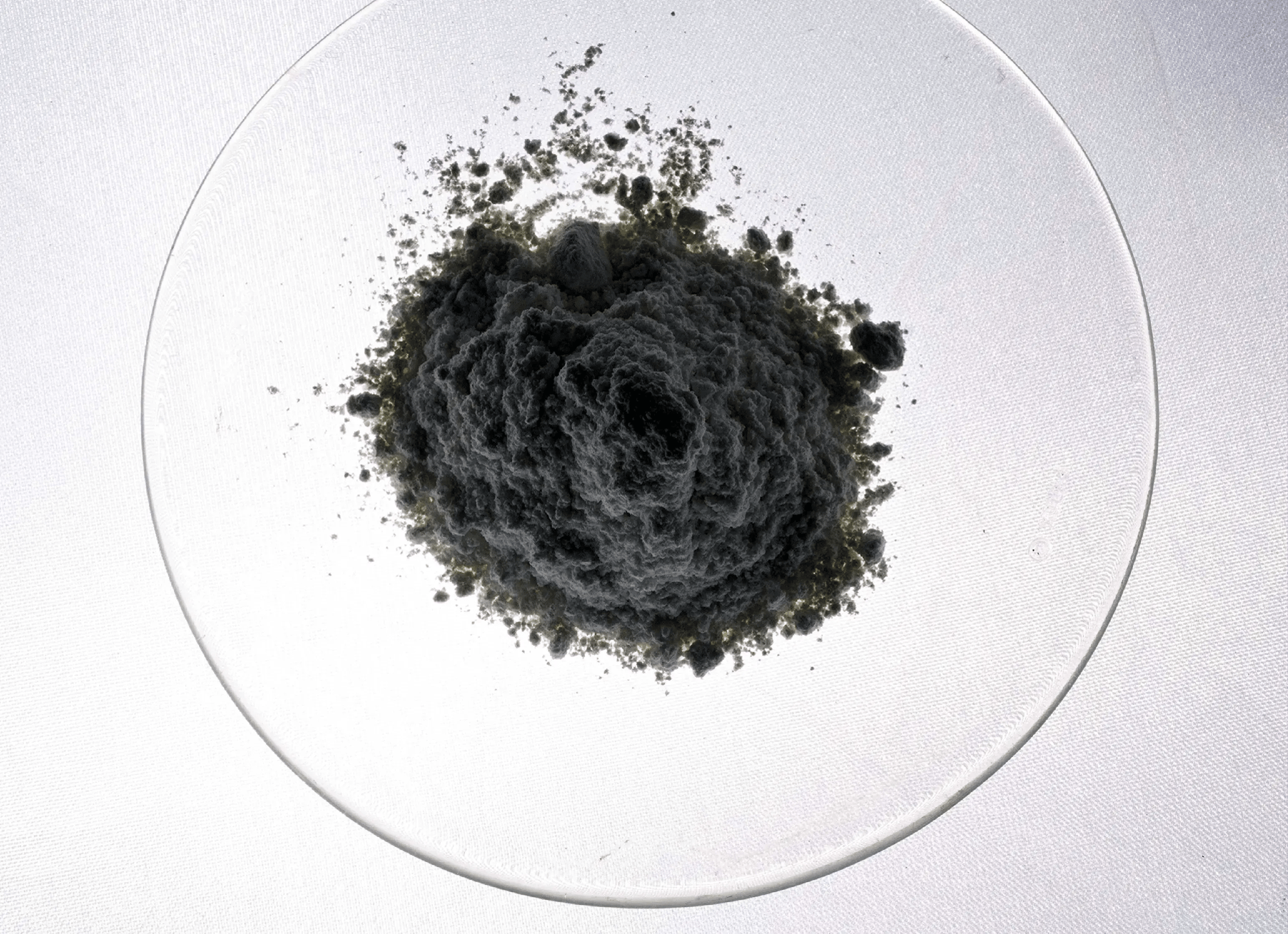
Dark slurry catalyst powder in a glass dish used for catalyst development and manufacturing at ActiveSite Technology.

Standard Characterization Services

Services
ASTM D6175 – Radial crush strength of extruded catalyst and catalyst particles
ASTM D7084-04 – Determination of bulk crush strength of catalysts and catalyst carriers
ASTM D4058-97 – Rotating drum attrition and abrasion test of catalysts and catalyst carriers
3-point BET surface area analysis 
Single point BET surface area analysis
40-point BET/BJH – standard multi-point BET conducted using nitrogen as adsorbate, results in surface area and pore size distribution
Temperature Programmed Reduction (TPR)/ Oxidation (TPO) – for determining oxidation state
Volatile Organic Compound (VOC) / Carbon Monoxide (CO) oxidation activity test
Lewis / Bronsted acid site characterization via IR
Total acidity – ammonia TPD


Other Offerings

Contact us for details.

Offerings
Pulsed Chemisorption
Static Chemisorption
Particle Size (Laser light scattering / sieve stack)
Electron Microscopy (SEM, TEM)
In-Situ XRD
Powdered X-Ray Diffraction (XRD)
X-Ray Photo Electron Spectroscopy (XPS)
Flame Atomic Adsorption
ICP-OES
Slurry phase reactor testing
Fixed bed reactor testing


EXPLORE OUR

Application Areas

Hydrogenation

Hydrogenation

Hydrodeoxygenation

Hydrodeoxygenation

Lindalar replacement

Lindalar replacement

Nitrile Formation

Nitrile Formation

Esterification

Esterification

CuCr Replacement Catalysts

CuCr Replacement Catalysts

Fatty Acids & Fatty Alcohols

Fatty Acids & Fatty Alcohols

Dehydrogenation
Dehydrogenation

Hydrodechlorination

Hydrodechlorination

Partial Oxidation

Partial Oxidation

CO2 Upgrading

CO2 Upgrading

Ulman Condensation

Ulman Condensation

Alkylation

Alkylation

Reductive Amination

Reductive Amination

VOC Destruction

VOC Destruction

EXPLORE OUR

Case Studies

MATERIAL CHARACTERIZATION

Frequently Asked Questions

Why does characterization data matter when selecting or troubleshooting a catalyst? What can it tell you that performance data alone can’t?

Performance data tells you what happened, whether conversion dropped or selectivity shifted, but it doesn’t provide an explanation as to why it happened. Characterization can show whether the active surface area decreased, or something is blocking active sites, or whether the catalyst never had the right structure to begin with. Characterization ties physical structure to observed performance to highlight characteristics that can be tuned for better product.

Can you compare fresh vs. spent catalyst data to pinpoint the deactivation mechanism?

ActiveSite has extensive experience doing this. We continue to provide this service to repeat and new customers regularly.

What does BET surface area actually tell you about catalyst performance, and what are its limitations?

BET surface area measures the total available surface for reaction. Generally, more surface area means more potential active sites, which is why it is one of the first numbers people look at. However, BET surface area is a bulk average that cannot tell how much of that surface is actually active phase versus bare support, or whether pores are accessible enough for reactants.

Can you support pilot-scale trials before committing to full production volumes?

Yes. We routinely support pilot-scale runs to validate activity, selectivity, and attrition behavior under actual operating conditions. This step regularly catches issues that bench-scale testing alone often misses. We work with our customers to design a trial protocol, supply appropriately sized batches, and interpret the data together so scale-up decisions are based on their process.

Slurry Catalysts Overview

  • Slurry catalysts can be customized using a range of active metals, promoter metals, support materials, and particle sizes to meet specific application needs.

  • Standard slurry catalyst products are available across multiple active phases, supports, concentrations, and application types.

  • Slurry catalysts support a variety of chemical processes, including hydrogenation, hydrodeoxygenation, esterification, dehydrogenation, CO₂ upgrading, and related applications.

  • The page also covers common slurry catalyst considerations such as catalyst differences, concentration ranges, feedstock impurities, and pilot-scale testing.

Talk to an engineer about
our material Characterization services.