

Not all catalysts are created equal, and the choice between off-the-shelf solutions and...
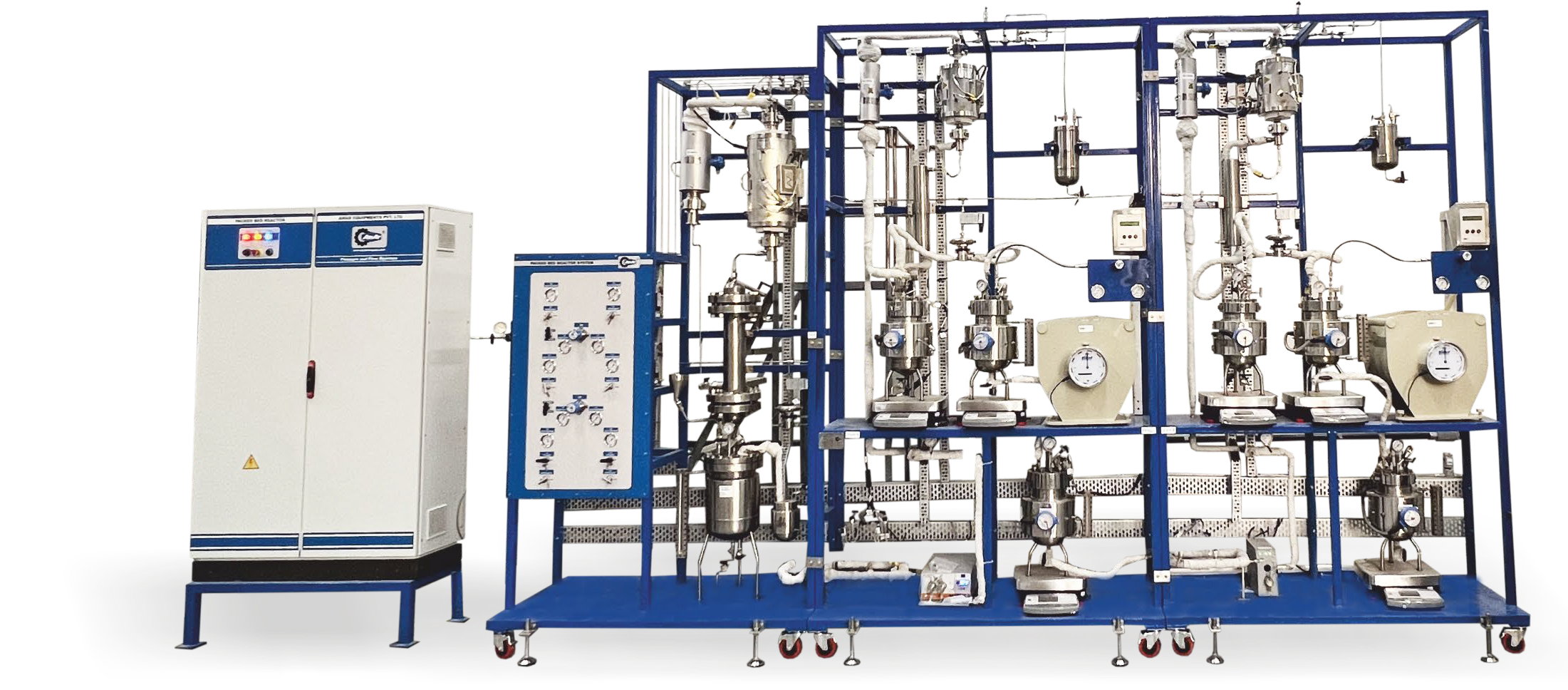
Light naphtha C5-C6 and heavy naphtha C6-C12 are used as Petrochemical feedstocks for gasoline blending, solvents, aromatics production and chemicals. C10-16 cuts are used for jet fuel and C14-C20 cuts are used for heavy diesel engines. These “cuts” contain a diverse mixture of paraffins, olefins, iso-paraffins, and aromatics derived from crude oil.
Bio-fuels offer several sustainable advantages over traditional petroleum. However, upgrading bio feedstocks require unique processing to handle a wide range of oxygenates and other molecules not found in traditional crude oil. These unit operations can be derisked through intermediate pilot scale demonstration before investing in larger CAPEX intense facilities.
Pilot-scale Systems: a Solution
Pilot-scale reactor systems have been developed to support various renewable fuel production pathways, including bio-syncrude synthesis, sustainable aviation fuel (SAF) production, and conventional steam methane reforming (SMR) integrated with Fischer-Tropsch (FT) synthesis. Reactors have been designed for ATEX and NFPA rated operation with explosion proof instrumentation and remote monitoring. 316 stainless steel, Inconel 625, or Hastoy C276 were selected for the materials of construction depending on specific operational requirements.
System Examples
A SAF system was constructed with 316 stainless steel with a design pressure of 170 bar at 500⁰C, and a production volume of 2.5L per cycle, Figure 1. This unit was equipped with a PLC and instrumentation for remote monitoring and control.
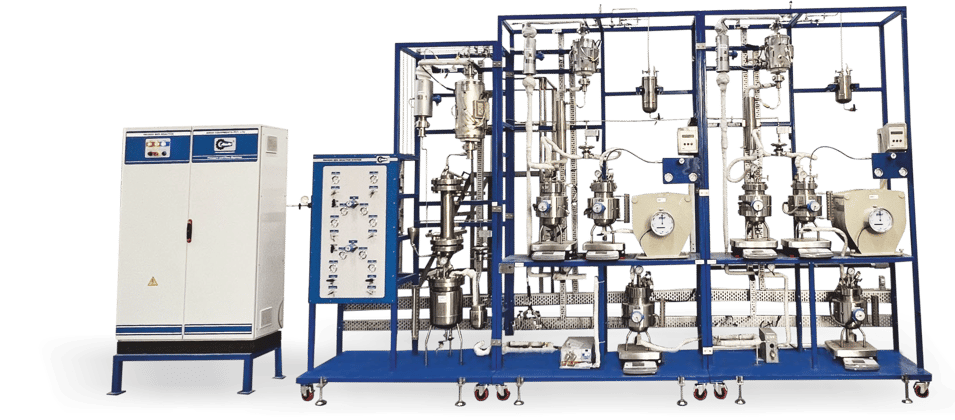
Figure 1: Integrated pilot plant for the production of sustainable aviation fuel (SAF).
The Bio Syncrude unit was designed for high temperature operation reaching a maximum 950 ⁰C and pressure of 5 bar, Figure 2. The parallel reactors were constructed of Inconel 625 and electrically heated by clamshell furnaces.
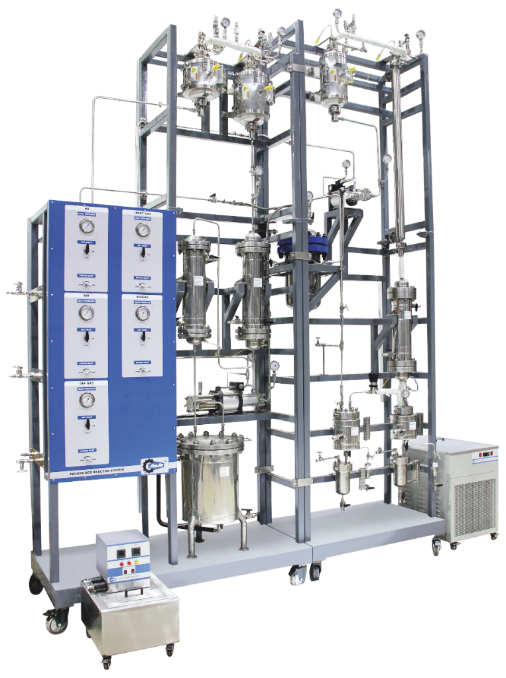
Figure 2: Modular reactor system for the production of bio syncrude.
Higher temperature and pressure units have also been constructed such as those used for catalytic steam reforming followed by a Fisher-Tropsch reactor, Figure 3. This system was manufactured using Hastelloy C276 with an operating pressure of 10 bar and 1100 ⁰C.
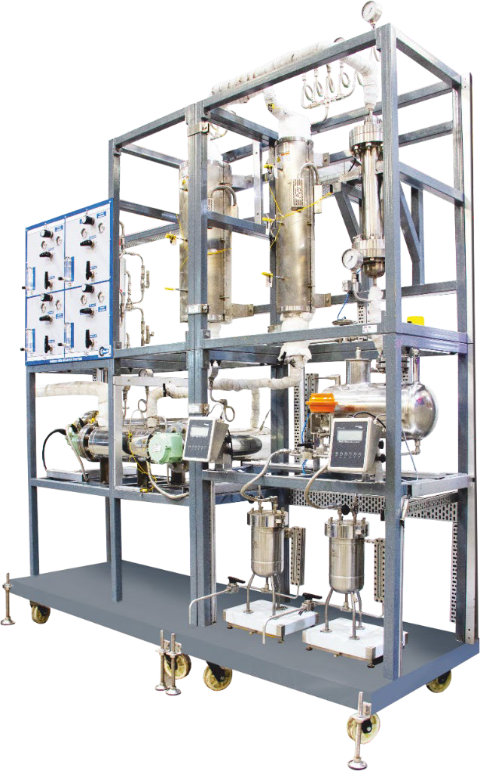
Figure 3: Modular reactor system for steam methane reforming followed by Fisher-Tropsch synthesis.
Custom Pilot Systems
Pilot units for synthetic fuel production are available for a wide range of operating pressures and temperatures.
Contact Active Site for quotes or assistance on your next fuel project.

