

Skip to content

SLURRY CATALYSTS

ActiveSite supplies slurry catalysts for batch chemistry applications, including off-the-shelf products, customizable catalyst materials, and application-specific solutions. With experience in catalyst manufacturing, material design, and scale-up support, ActiveSite helps customers select, develop, and commercialize slurry catalysts for a wide range of chemical processes.

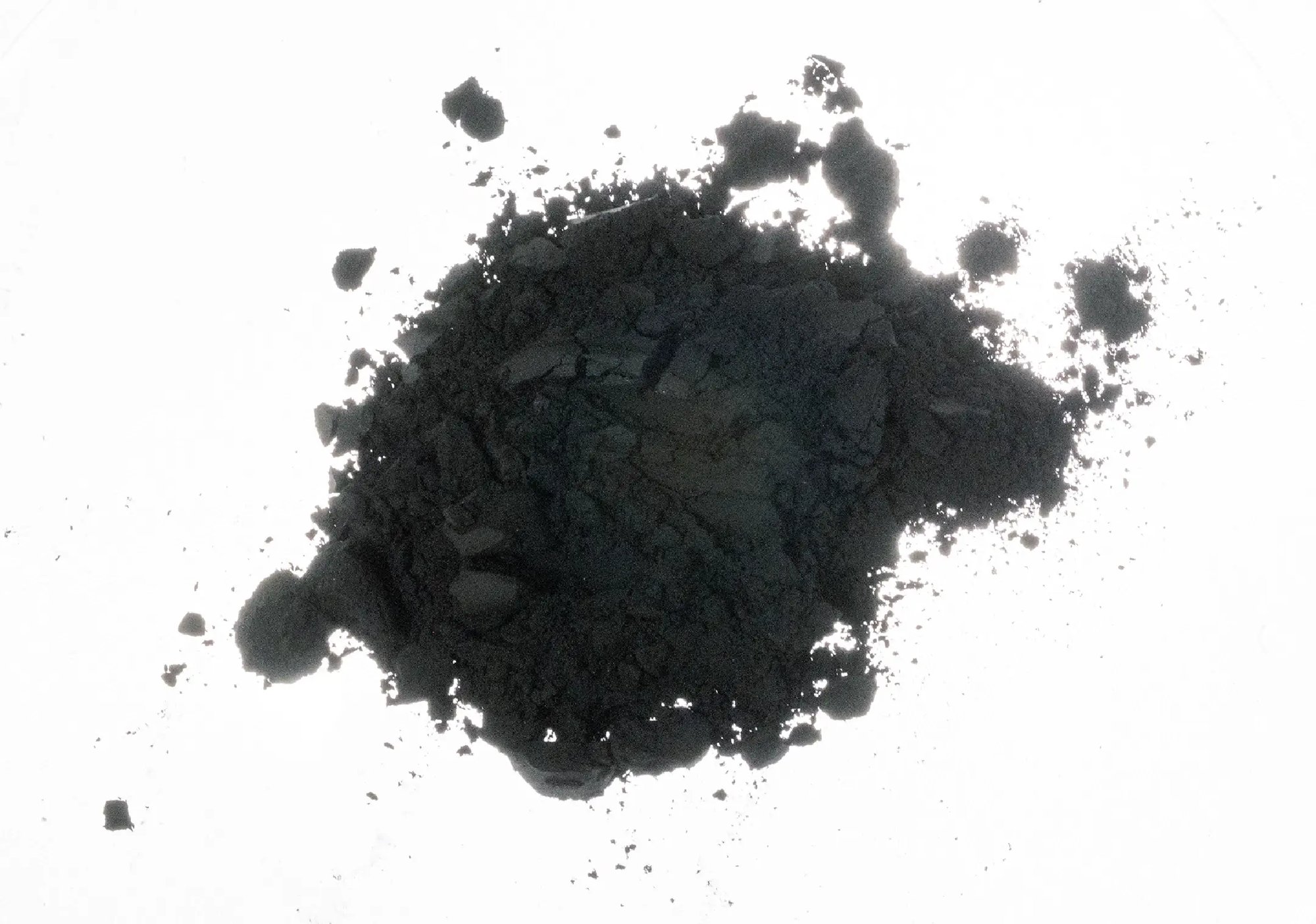
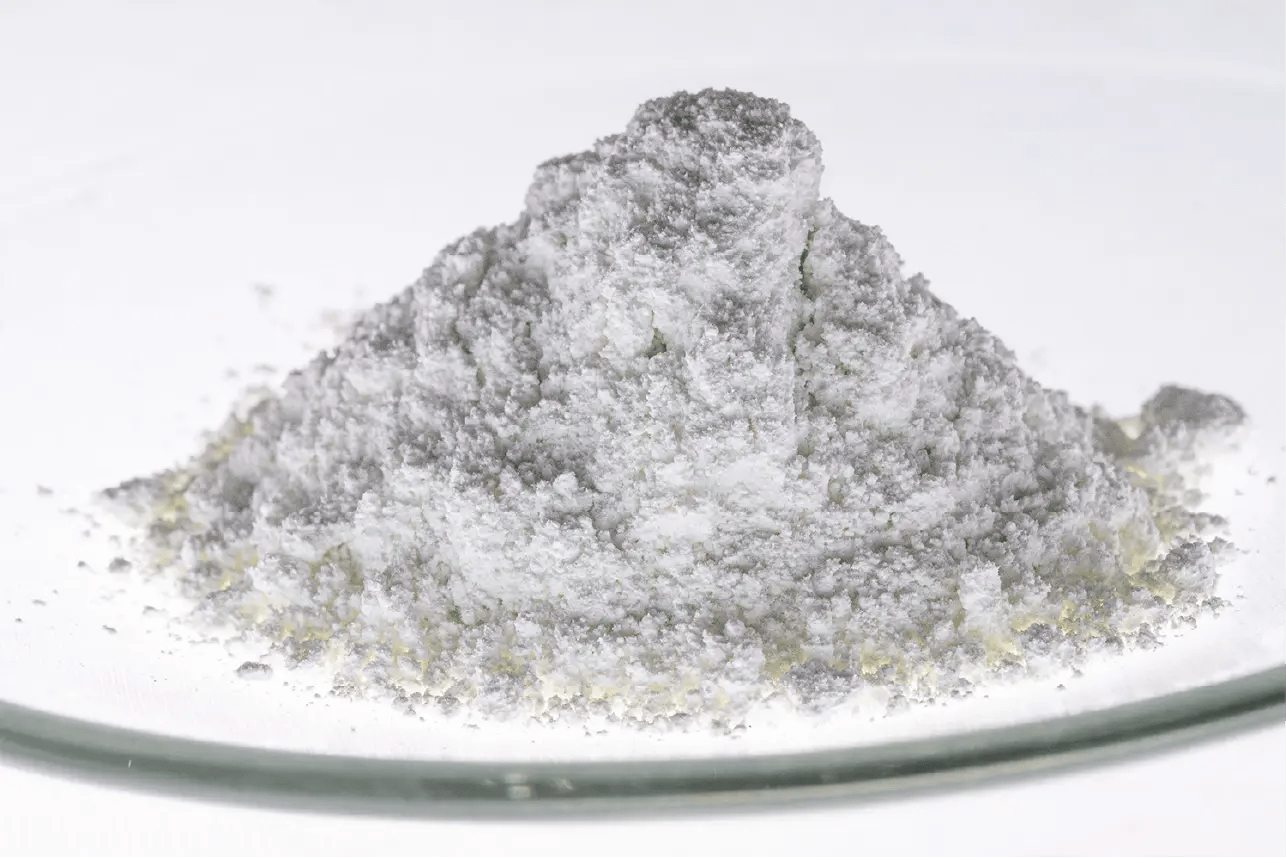
Black catalyst powder used in catalyst development and manufacturing at ActiveSite Technology.

Make Your Own Catalysts

Selections can be made from active metals, promoter metals, support types, and quantities needed. Get A Quote →

Active metals – Pt, Pd, Ni, Rh, Cu, Fe, Co, Zn, Re, Au, Ag, Mn, Ti, etc.

Promoter metals – Alkali metals, alkaline earth metals, transition metals, and lanthanides (rare earths).

Support types – Alumina, silica, titania, zirconia, and other metal oxides, carbon.

Form factors – Particle sizes 40 to 250 um, powders, sponge.

ActiveSite_Slurry_Catalysts

Standard Products

We have prepared an offering of catalysts based on selected active phases, supports, and quantities. 

Get A Quote →

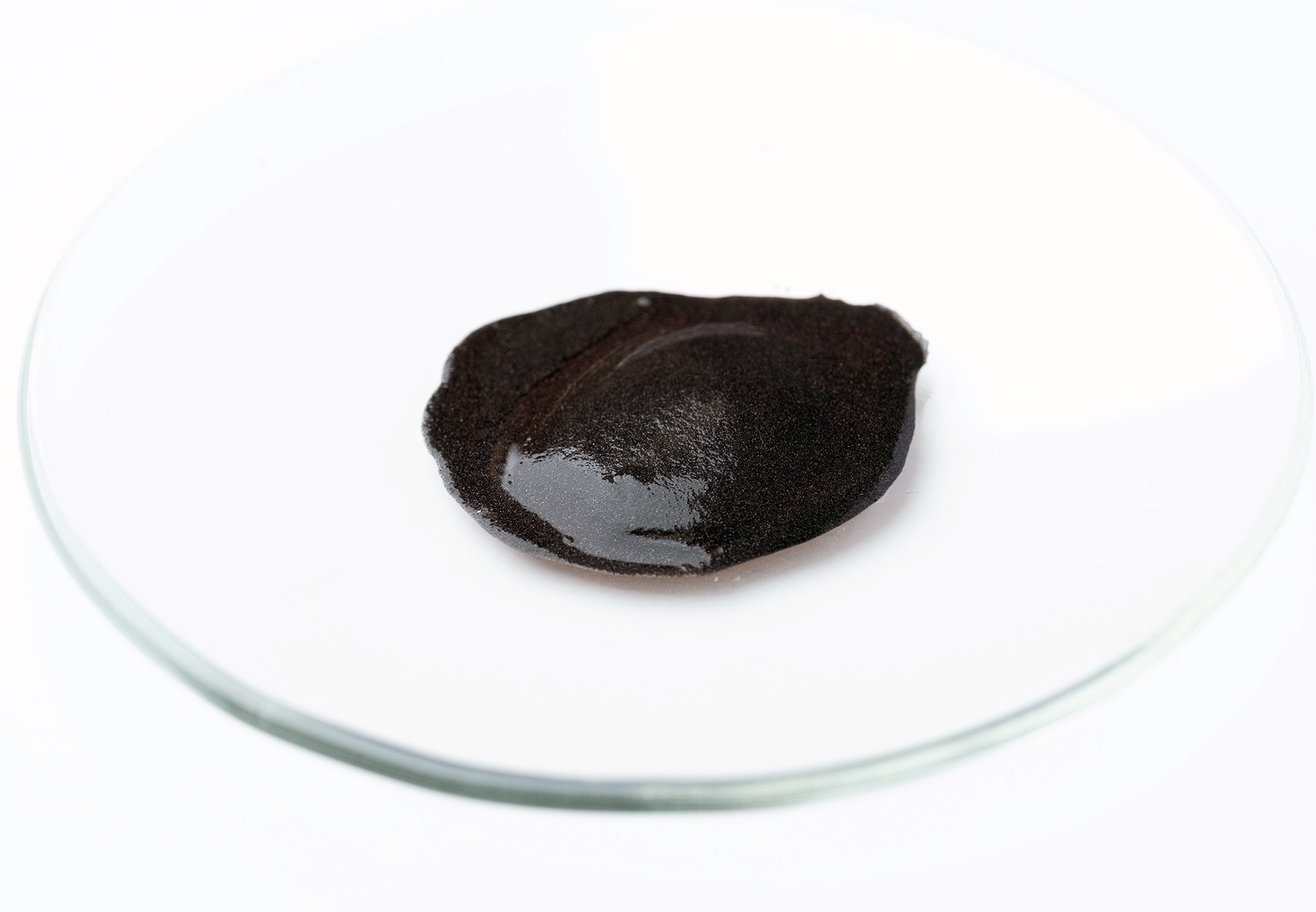
Dark slurry catalyst sample displayed in a glass dish for catalyst development and testing at ActiveSite Technology.

Standard Products

We have prepared an offering of catalysts based on selected active phases, supports, and quantities. Get A Quote →

Catalysts By Materials
Product Description
Boreas-051 Reductive Alkylation 
Boreas-052 Reductive Alkylation 
Boreas-053 Reductive Alkylation 
Eurus-054 Ethynylation 
Hermes-055 Ullman Condensation
Nebula-056 Nitrile Hydrogenation
Nebula-057 Nitrile Hydrogenation
Prometheus-049 Fischer Tropsch
Prometheus-050 Fischer Tropsch
Spark-058 Oleochemicals, Specialty Chemicals
Spark-059 Oleochemicals, Specialty Chemicals
Spark-060 Oleochemicals, Specialty Chemicals


Product Description
Cobaltous-1E078 Cobalt Sponge
CuproTech-1E079 Copper Sponge
Nickelodium-1E080 Nickel Sponge
Palladiform-1C069 3% Pd/Carbon Powder
Palladiform-1C070 5% Pd/Carbon Powder
Palladiform-1C071 10% Pd/Carbon Powder
Platinex-1C072 1% Pt/Carbon Powder
Platinex-1C073 5% Pt/Carbon Powder
Platinex-1C074 10% Pt/Carbon Powder
Ruthenous-1C075 0.5% Rh/Carbon Powder
Ruthenous-1C076 1% Rh/Carbon Powder
Ruthenous-1C077 5% Rh/Carbon Powder


Catalysts By Application
Product Description
Nexus-5A034 CuCr Replacement Catalyst 
Nexus-6A035 CuCr Replacement Catalyst 
Colpo-7A036 CO2 Methanation Catalyst
Colpo-7A037 CO2 Methanation Catalyst
Luta-3A038 Hydrodeoxygenation Catalyst, GAC, 4x8 mesh
Transitus-2A039 Aromatic Ring Hydrogenation Catalyst
Transitus-2A040 Aromatic Ring Hydrogenation Catalyst
Transitus-2A041 Aromatic Ring Hydrogenation Catalyst
Transitus-2A042 Aromatic Ring Hydrogenation Catalyst
Transitus-2A043 Aromatic Ring Hydrogenation Catalyst
Brasa-5B044 Peroxide Catalyst
Titan-045 Dehydrogenation of alcohols


EXPLORE OUR

Application Areas

Hydrogenation

Hydrogenation

Hydrodeoxygenation
Hydrodeoxygenation

Lindlar Replacement

Lindlar Replacement

Nitrile Formation
Nitrile Formation

Esterification

Esterification

CuCr Replacement Catalysts

CuCr Replacement Catalysts

Fatty Acids & Fatty Alcohols

Fatty Acids & Fatty Alcohols

Dehydrogenation
Dehydrogenation

Hydrodechlorination

Hydrodechlorination

Partial Oxidation

Partial Oxidation

CO2 Upgrading

CO2 Upgrading

Ulman Condensation

Ulman Condensation

Alkylation

Alkylation

Reductive Amination

Reductive Amination

VOC Destruction

VOC Destruction

EXPLORE OUR

Case Studies

SLURRY CATALYTS

Frequently Asked Questions

What makes slurry-phase catalysts different from fixed-bed or fluidized-bed catalysts, and when is a slurry system the right choice?

Slurry catalysts are suspended in the liquid reaction medium. This gives excellent temperature control and near isothermal operation. Slurry systems make sense when dealing with viscous liquids, three-phase reactions, or heat management challenges.

How is catalyst activity maintained across a wide range of slurry concentrations and reactor hydrodynamics?

We engineer particle size and density such that the catalyst stays suspended across your agitation range, without breaking down or settling out. We also tune pore structure so that diffusion doesn’t become the limiting step as conditions shift. 

Formulations are validated across a range of solids loadings and mixing intensities during the development process to verify performance holds up to process changes such as throughput, feed, or catalyst age. 

Can catalyst formulations be adjusted for specific feedstock impurities (sulfur, chlorides, heavy metals)?

Absolutely. Feedstock contaminants are one of the most common causes of premature deactivation we see in the field, so formulation adjustments for known impurity profiles is standard practice. Given a feedstock analysis, we can inform you of likely deactivation mechanisms before ever running a catalyst. 

Can you support pilot-scale trials before committing to full production volumes?

Yes. We routinely support pilot-scale runs to validate activity, selectivity, and attrition behavior under actual operating conditions. This step regularly catches issues that bench-scale testing alone often misses. We work with our customers to design a trial protocol, supply appropriately sized batches, and interpret the data together so scale-up decisions are based on their process.

Slurry Catalysts Overview

  • Slurry catalysts can be customized using a range of active metals, promoter metals, support materials, and particle sizes to meet specific application needs.

  • Standard slurry catalyst products are available across multiple active phases, supports, concentrations, and application types.

  • Slurry catalysts support a variety of chemical processes, including hydrogenation, hydrodeoxygenation, esterification, dehydrogenation, CO₂ upgrading, and related applications.

  • The page also covers common slurry catalyst considerations such as catalyst differences, concentration ranges, feedstock impurities, and pilot-scale testing.

Talk to an engineer about
your slurry catalysts.